
Natural Breast Augmentation with Fat Transfer in Manhattan, NYC

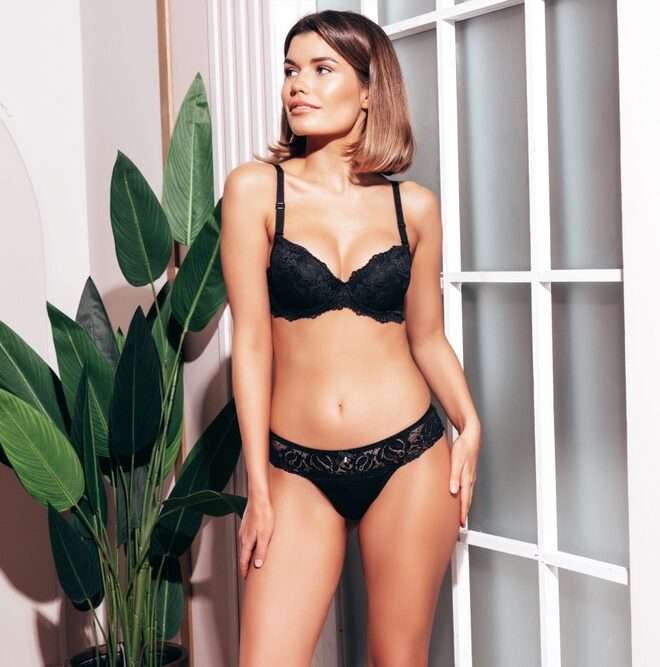
Breast Enhancement Using Your Own Natural Tissue
Autologous fat transfer breast augmentation is a surgical technique that uses a patient’s own fat to enhance breast volume and improve contour. The procedure combines liposuction with fat grafting, allowing excess fat to be removed from areas such as the abdomen, flanks, or thighs and transferred to the breasts to create a natural increase in volume.
For appropriately selected patients, fat transfer can provide subtle to moderate enhancement while avoiding the use of implants. At Rothaus Plastic Surgery, Dr. Kenneth Rothaus utilizes the Viality Fat Transfer System to optimize fat processing and graft viability. Vitality has documented survival of transplant fat cells of greater than 80% in contrast to ranges of 50-80% using other harvesting procedures. Thus, Viality helps to maximize fat survival and long-term results.
What Is Autologous Fat Transfer Breast Augmentation?
Autologous fat transfer breast augmentation, sometimes called natural breast augmentation, uses fat harvested from another area of the body to increase breast volume and improve shape.
The procedure begins with gentle liposuction to remove excess fat from areas such as the abdomen, waist, hips, thighs, or back. The fat is then carefully purified and prepared before being strategically injected into the breasts to create smooth, natural-looking enhancement.
Unlike breast implants, fat transfer uses living tissue from your own body. The result is a breast augmentation that feels completely natural and avoids introducing an implant into the body. In order to maximize final results, there is a limit to the volume of fat that can be injected at a single session. As a result, autologous fat transfer is often not a single session procedure.
What Is the Viality Fat Transfer System?
Successful fat transfer depends on one critical factor: keeping fat cells healthy and viable throughout the harvesting and transfer process.
Traditional fat grafting techniques can expose fat cells to excessive mechanical trauma, pressure changes, and handling, reducing the percentage of transferred fat that ultimately survives.
The Viality Fat Transfer System was designed to address this challenge. The technology utilizes a closed-loop system and a proprietary washing technology that gently harvests, processes, and transfers fat while minimizing trauma to delicate adipose cells.
By preserving cellular integrity throughout the procedure, Viality helps maximize fat viability and graft survival. This allows for more efficient fat transfer, improved volume retention, and more predictable long-term outcomes.
For patients, this means a higher quality fat graft and the potential for enhanced longevity of results.
Why Choose Fat Transfer Instead of Breast Implants?
For the right patient, fat transfer offers several advantages over traditional breast augmentation with implants.
Because the procedure uses your own tissue, the breasts maintain a completely natural feel. There is no implant, no risk of implant rupture, and no concern about future implant replacement surgery.
Fat transfer also allows for subtle refinement and customization. Rather than creating dramatic volume changes, the procedure is ideal for enhancing shape, restoring upper pole fullness, correcting asymmetries, and creating a naturally fuller appearance.
Many patients appreciate the added benefit of liposuction, which contours donor areas while providing the fat used for augmentation.
While implants remain the best option for women seeking significant increases in breast size, fat transfer can be an excellent solution for those prioritizing natural-looking enhancement and body contouring.
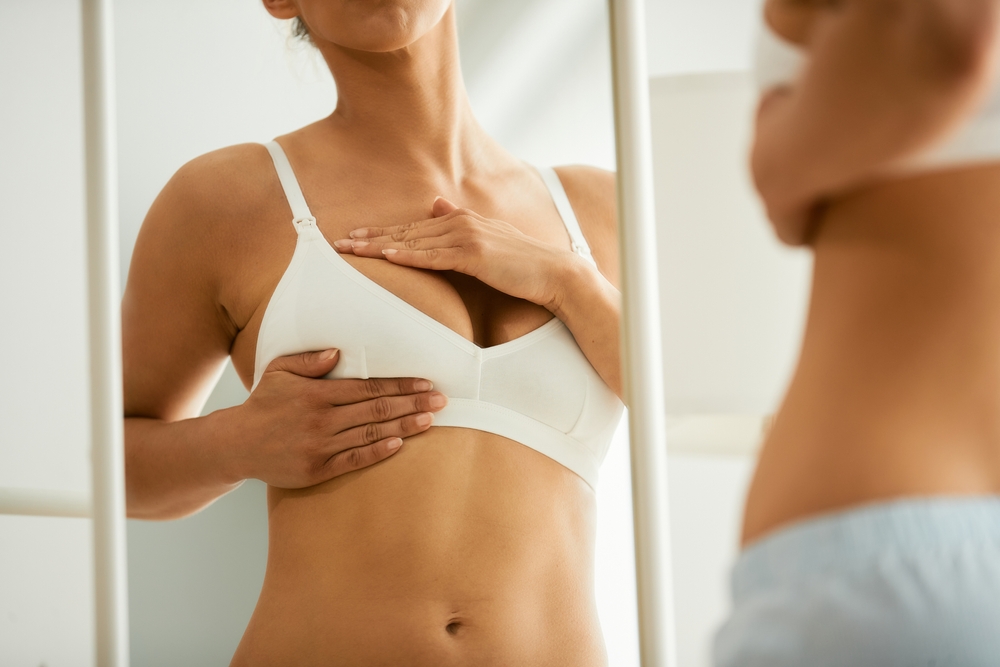
Who Is a Candidate for Natural Breast Augmentation?
The best candidates for breast augmentation with fat transfer are healthy women who desire a modest increase in breast volume and have adequate donor fat available for harvesting.
Patients often choose this procedure if they:
- Want a natural alternative to breast implants
- Desire a subtle increase in breast size
- Have experienced volume loss after pregnancy or weight loss
- Wish to improve breast symmetry
- Prefer using their own tissue for augmentation
During consultation, Dr. Rothaus performs a thorough evaluation to determine whether fat transfer alone or implant-based augmentation would best achieve the patient’s goals.
Fat Transfer Breast Augmentation or Breast Implants: Which is Right for You?
What Results Can Patients Expect?
Fat transfer breast augmentation is designed to create natural, proportional enhancement rather than dramatic enlargement.
Following transfer, a portion of the grafted fat establishes a blood supply and becomes living tissue within the breast. The surviving fat cells age naturally with the body and can provide long-lasting results.
Patients typically experience fuller breasts, improved shape, and softer contours while benefiting from improved body contouring in the liposuction donor areas.
The final result is often described as a more youthful, balanced silhouette that appears entirely natural.
Before Your Fat Transfer Breast Augmentation Treatment
Before undergoing breast augmentation via fat transfer, patients will have an initial consultation with Dr. Rothaus to determine whether they are good candidates for the procedure. During this personal consultation, we will evaluate the breasts, assess available body fat for fat grafting, and discuss the patient’s aesthetic goals. Because augmentation with fat transfer typically produces a subtle increase in breast size, patients should have realistic expectations about the level of enhancement that can be achieved.
Dr. Rothaus will also review the patient’s medical history, current health status, and potential donor sites such as the abdomen or thighs, where sufficient fat may be harvested. In some cases, multiple fat transfer procedures may be recommended to achieve the desired result. Careful preparation helps support the healing process and improves the likelihood of achieving natural, long lasting results.
Recovery After Fat Transfer Breast Augmentation Treatment
As with traditional implant-based breast augmentation, augmentation by fat transfer still requires 1-2 weeks of dedicated rest. Dr. Rothaus will provide each patient with a personalized recovery timeline. Most patients are able to return to office-based work within 3-5 days and regular activities within 2-3 weeks.
Why Choose Dr. Kenneth Rothaus for Fat Transfer Breast Augmentation?
Fat grafting is both a surgical procedure and a highly technical art form. Successful outcomes depend on careful patient selection, precise harvesting techniques, advanced fat processing, and meticulous placement of the transferred tissue.
As a board-certified plastic surgeon in Manhattan, Dr. Kenneth Rothaus combines extensive experience in aesthetic breast surgery with the latest advancements in fat grafting technology. The addition of the Viality Fat Transfer System reflects his commitment to offering patients the most advanced techniques available for natural breast enhancement.
Every procedure is customized to the individual patient’s anatomy and aesthetic goals, with a focus on achieving beautiful, balanced, and natural-looking results.
Frequently Asked Questions
How much larger will my breasts become with fat transfer?
Most patients can expect approximately one cup size of enhancement, though results vary based on anatomy, available donor fat, and treatment goals.
Is fat transfer safer than breast implants?
Both procedures have excellent safety profiles when performed by a qualified plastic surgeon. Fat transfer avoids implant-related concerns and uses your own tissue for augmentation.
Will all of the transferred fat survive?
Not all transferred fat survives. Modern techniques and advanced processing systems such as Viality are designed to maximize fat viability and improve long-term retention.
Can fat transfer replace breast implants?
For patients seeking subtle to moderate enhancement, fat transfer may be an excellent alternative. Patients seeking a more dramatic increase in breast size often achieve better results with implants.
How long do fat transfer breast augmentation results last?
The fat cells that successfully establish a blood supply become living tissue and can provide long-lasting results. Maintaining a stable weight helps preserve the outcome over time.
Schedule a Breast Fat Transfer Consultation in Manhattan
If you are considering natural breast augmentation in NYC and would like to learn whether autologous fat transfer is right for you, schedule a consultation with Dr. Kenneth Rothaus.
Dr. Rothaus will evaluate your anatomy, discuss your goals, and develop a personalized treatment plan designed to achieve elegant, natural-looking enhancement using your own tissue and the latest advances in fat grafting technology.
 Gallery
 Reviews
 Call
Call Contact