
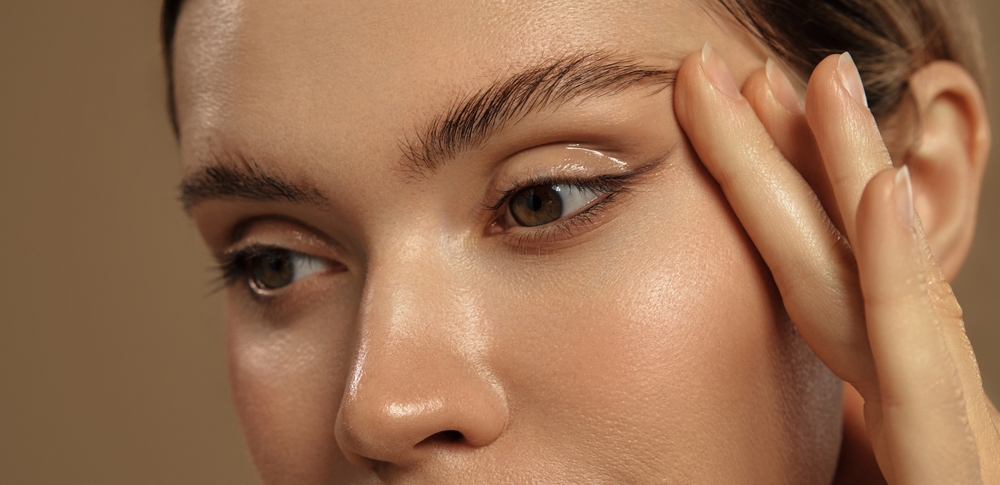
Should You Get Botox Before Upper Eyelid Surgery? The Surprising Answer from a NYC Plastic Surgeon
Should You Get Botox Before Upper Eyelid Surgery? The Surprising Answer from a NYC Plastic Surgeon
If you’re planning upper eyelid surgery (blepharoplasty) and regularly receive Botox treatments, you’ve likely heard conflicting advice about timing. Many patients arrive at our Manhattan office reporting that another surgeon told them their Botox must completely wear off before their procedure. This common recommendation, however, may not lead to the best long-term results.
At Rothaus Plastic Surgery, we take the opposite approach based on both clinical evidence and years of surgical experience. If you regularly use neuromodulators like Botox, Dysport, or Xeomin and plan to continue these treatments after surgery, you should ideally have the full effect active on your forehead muscles at the time of your blepharoplasty procedure. Recent research published in the Aesthetic Surgery Journal supports this strategy, demonstrating that strategic Botox use before eyelid surgery may actually produce better, more natural-looking long-term outcomes.
Understanding Forehead Compensation: The Hidden Factor
To understand why this matters, you need to know what’s happening beneath the surface. When excess upper eyelid skin develops with aging and begins interfering with your vision, your brain automatically compensates by unconsciously elevating your eyebrows. This chronic frontalis muscle contraction serves to lift drooping eyelid skin out of your visual field—essentially, your forehead is working overtime to keep your eyes open.
This compensation mechanism creates two visible effects: deepening of horizontal forehead wrinkles and elevation of the eyebrow position beyond its natural resting point. When you receive Botox in your forehead, the frontalis muscle relaxes, eliminating this compensatory lift and allowing the eyebrows to settle to their true resting position—which is typically lower than where they sit when you’re constantly lifting them.
Why Brow Position Determines Surgical Results
Here’s where surgical planning becomes critical. The amount of skin your surgeon removes during upper eyelid surgery depends significantly on your eyebrow position at the time of the procedure. A patient without Botox effect will have artificially elevated brows due to frontalis muscle contraction, leading the surgeon to remove less skin. A patient with full Botox effect will have brows in their true, relaxed position, allowing accurate assessment of actual skin excess.
Consider what happens if you have eyelid surgery without Botox effect present, then resume your regular Botox treatments afterward. When the frontalis muscle relaxes and your brows drop to their natural position, you’ll likely redevelop some upper eyelid skin excess—essentially diminishing your surgical results. Your eyelids may feel heavy again, even though technically the surgery was performed correctly based on your brow position at that moment.
What About Treating the “11’s” Between Your Eyebrows?
The situation becomes slightly more nuanced when considering treatment of the glabellar lines (the vertical “11” lines between your eyebrows). The procerus and corrugator muscles responsible for these lines work opposite to the frontalis muscle—they actually pull the eyebrows downward. Treating these muscles with Botox eliminates their depressor effect, which could artificially elevate the brow.
The study referenced above recommended avoiding treatment of these muscles prior to eyelid surgery. In our clinical experience at Rothaus Plastic Surgery, we have not found this to be significantly impactful when performing upper blepharoplasty. Regardless, the fundamental principle remains the same: your surgeon needs to see where your eyebrows naturally rest when you’re maintaining your typical aesthetic treatment routine.
The Smart Surgical Planning Approach
Evidence-based medicine and years of clinical experience strongly suggest that strategic Botox use before upper eyelid surgery isn’t just safe—it’s intelligent surgical planning. If you intend to continue neuromodulator treatments after your blepharoplasty (and most patients do), your surgeon must account for where your eyebrows will actually position when you resume those treatments.
By having active Botox effect during your pre-surgical consultation and on the day of surgery, you reveal your true eyebrow position. This allows Dr. Rothaus to remove the precise amount of skin needed for results that look natural both immediately after surgery and years down the road as you continue your regular aesthetic maintenance treatments.
Optimizing Your Blepharoplasty Results
The goal of upper eyelid surgery isn’t simply to remove excess skin—it’s to create refreshed, natural-looking eyes that harmonize with your overall facial aesthetics and maintain their improvement over time. When Botox use is factored into surgical planning, we can achieve:
- More accurate skin removal calculations
- Better long-term result stability
- Reduced risk of residual skin excess after resuming Botox
- Natural eyebrow positioning that complements your eyelid contour
- Consistent results that don’t change when you resume your injectable routine
What This Means for Your Treatment Timeline
If you’re planning upper eyelid surgery and regularly receive forehead Botox treatments:
- Schedule your Botox appointment approximately two weeks before your surgical consultation so Dr. Rothaus can evaluate you with full effect present
- Maintain your regular Botox schedule leading up to surgery
- Plan to have fresh Botox approximately two weeks before your blepharoplasty procedure
- Discuss your complete injectable history, including treatment areas and typical units received
This approach ensures that your surgical planning reflects your real-world aesthetic maintenance routine, not an artificial state that doesn’t represent how you’ll look long-term.
Experience Matters: Choosing the Right Surgeon
Understanding the interaction between neuromodulator treatments and surgical planning requires both technical knowledge and extensive clinical experience. At Rothaus Plastic Surgery, Dr. Kenneth Rothaus combines his training from Yale College and Harvard Medical School with years of specialized experience in facial plastic surgery to deliver results that stand the test of time.
During your consultation at our Upper East Side or Westchester office, we’ll thoroughly review your aesthetic treatment history, examine your eyelid and brow anatomy, and develop a personalized surgical plan that accounts for your ongoing Botox use. This comprehensive approach ensures your blepharoplasty results complement your existing aesthetic routine rather than conflicting with it.
Schedule Your Upper Eyelid Surgery Consultation in NYC
If you’re considering upper eyelid surgery and want results that work harmoniously with your regular Botox treatments, we invite you to meet with Dr. Rothaus. Our evidence-based approach to surgical planning, combined with state-of-the-art techniques, helps patients throughout Manhattan, Westchester, and the surrounding New York area achieve natural, long-lasting eyelid rejuvenation.
Contact Rothaus Plastic Surgery at 212-737-0770 or request a consultation online. Let us show you how strategic coordination between your injectable treatments and surgical planning can optimize your aesthetic outcomes.
 Gallery
 Reviews
 Call
Call Contact